
Top Greece Tours: A Fresh Look For Visitors
Greece tours give every traveler a clear and comfortable way to enjoy a big and varied country. Couples, families, friends, solo travelers and first-time visitors all find a tour that fits, with sights, guides and meals planned for them.
This guide covers what to see, the kinds of tours people take and the extras that come with them. It starts in Athens, visits the islands and classical sites, and ends in Crete. My Greece Tours adds helpful planning information.
What Can You Expect From Greece Tours In Athens?
Athens tours pair famous ancient sights with relaxed strolls and delicious food. Knowledgeable guides help every visitor leave with a clear picture of the capital. Compare Greece tours with the lists at Tours In Greece before you book.
What do visitors see first in Athens?
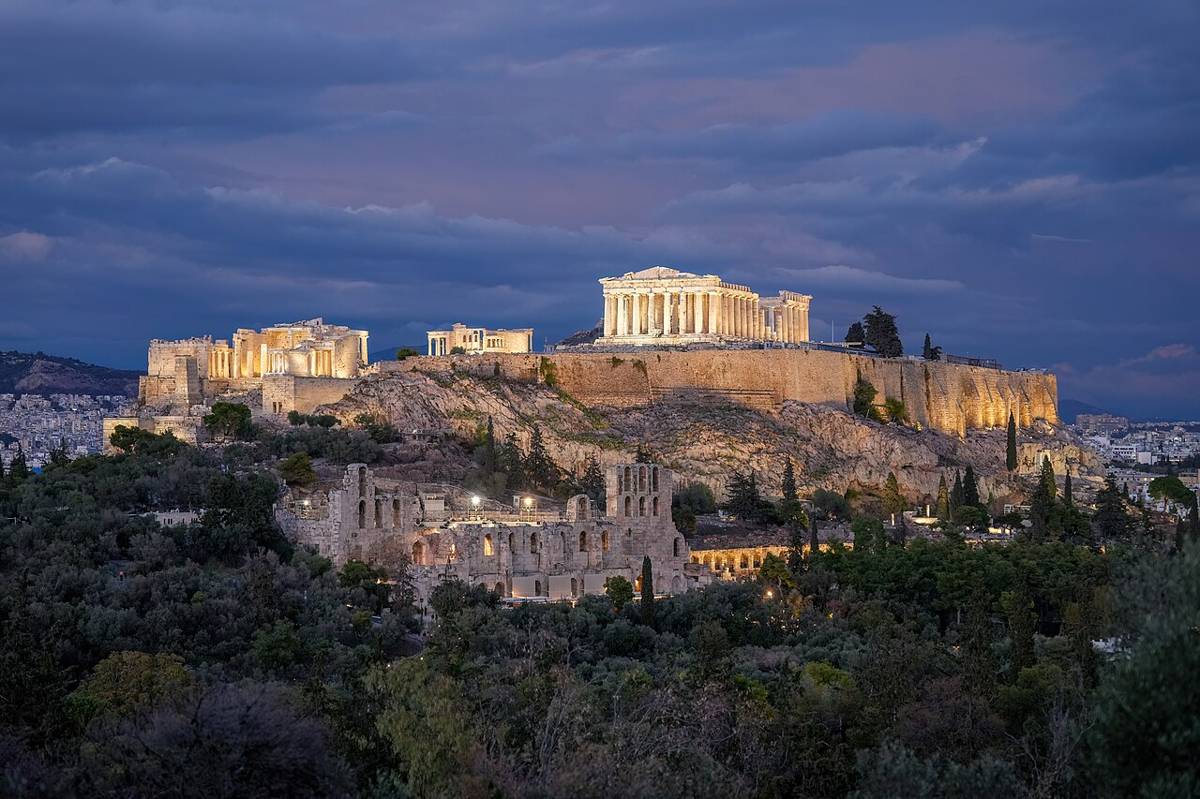
The Acropolis comes first here. Its Parthenon and the Erechtheion with its stone maidens show what ancient builders achieved. The Acropolis Museum holds the statues once seen on the high hill, and the Ancient Agora shows where city life began.
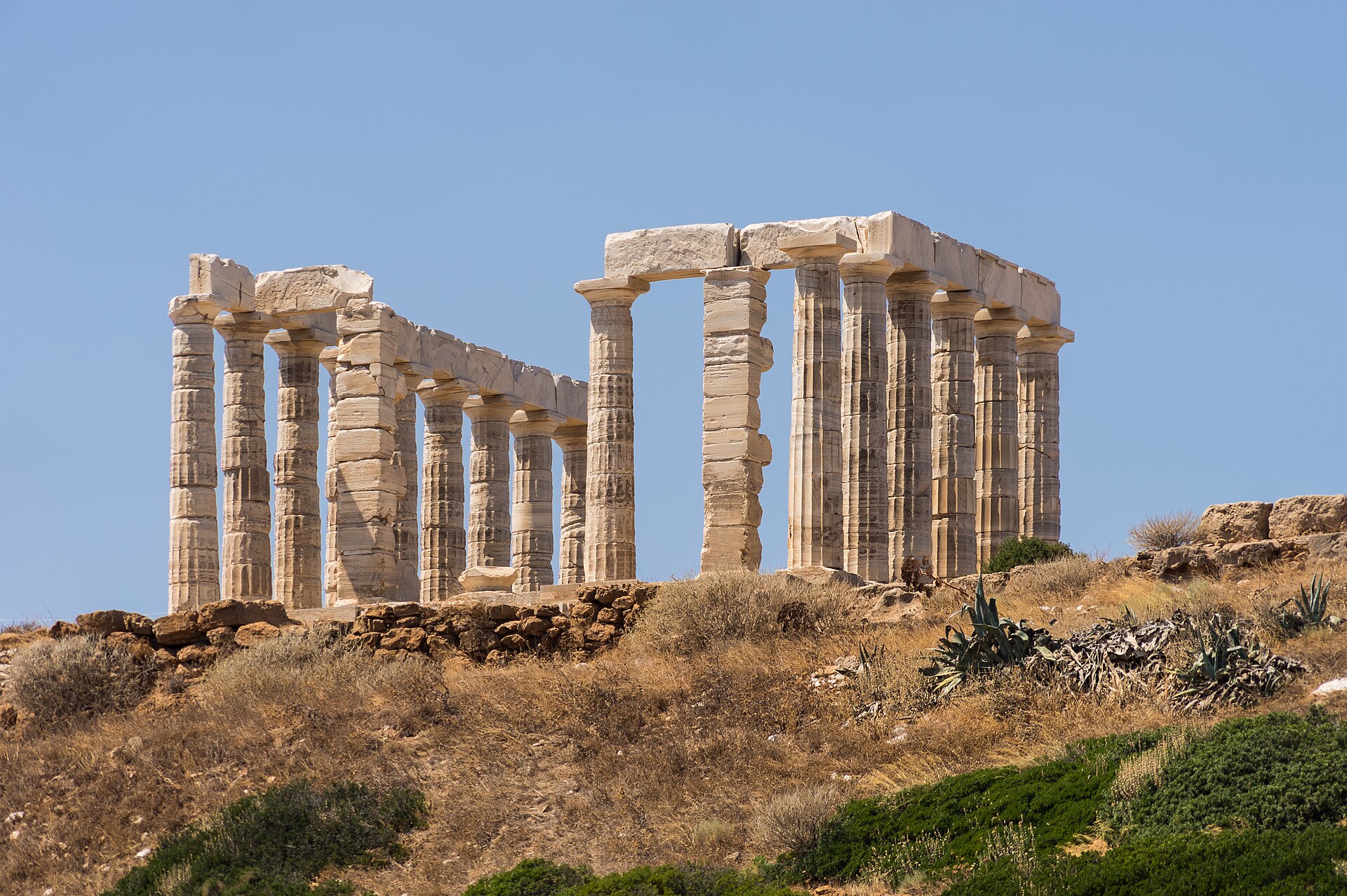
The Temple of Olympian Zeus stands tall near the center. Plaka and Monastiraki offer lanes, cafes and shops. Lycabettus Hill gives the best rooftop view, and the Temple of Poseidon at Cape Sounion ends a day with a beautiful sunset.
How do Greece tours get you around Athens?
Private tours with a driver-guide or skipper suit couples, families and friends who want a personal pace. The price is per booking, so everyone shares the cost. Boat cruises with swim stops suit anyone who loves the ocean.
Guided walking tours suit solo travelers and first-time visitors, and guided Acropolis tours help them understand the stories. Cooking classes and wine tastings suit food lovers of every age, and they add a calm break from the busy sights.
What is covered on Greece tours in Athens?
Many tours include lunch or a BBQ meal, so nobody hunts for a free table at noon. Some serve drinks, and a few offer unlimited drinks, which keeps everyone cool in the summer sun. That saves time and money.
A licensed or local guide explains the ruins, answers questions and saves you from long searches in the crowds. Wine tastings add authentic local flavor, and swim stops give a break from the heat. Those extras make the day comfortable.
How do you make the most of Athens?
Arrive early, before the heat and the crowds build up around the main entrances. Wear comfortable shoes, because the ancient marble paths are polished and slippery.
Bring a hat, sunscreen and a refillable water bottle. Pack a light jacket for the boat and swimwear for the stops, so you are ready for every part of the day.
What Do Greece Tours In The Cyclades Offer Visitors?
Cyclades tours mix white villages, blue water and easy boat days. Island hopping feels effortless for every kind of traveler, from couples to families. Readers who want more inspiration should start with the top Greek islands to visit.
What do visitors see first in the Cyclades?
Santorini attracts visitors to its cliff villages, where white houses hang high above the deep blue sea. Mykonos is best known for its windmills. The island sanctuary of Delos nearby was once a very holy place for the ancient Greeks.
Milos hides colorful sea caves that boats reach with ease in calm weather. Naxos has an old town of stone lanes, sunny squares and little churches. Paros adds the picturesque harbour of Naoussa, where fishing boats rest beside small tavernas.
How do Greece tours get you around the Cyclades?
Greece tours in the Cyclades start on the water. Boat cruises with swim stops suit families and friends who love the sea. Private tours with a driver-guide or skipper suit couples who want calm, and the price is per booking.
Full-day trips from Athens by coach suit visitors with little time who still want a taste of the coast. Snorkel and beginner scuba trips suit active travelers, and cooking classes and wine tastings suit anyone who loves food.
What is covered on Greece tours in the Cyclades?
Boat days serve lunch or a BBQ meal on board, with unlimited drinks on some trips. A licensed or local guide shares the island stories and points out the best photo spots. Good food makes the sea days relaxing.
Snorkel equipment comes with water trips, so beginners skip the rental queue and start right away. Free time to explore lets you wander the lanes alone, and wine tastings and swim stops fill the rest of the day.
How do you make the most of the Cyclades?
Choose late spring or early autumn, when the sea is warm and the lanes are calmer. Wear shoes with good traction, because village steps are steep and smooth.
Bring a windbreaker, a hat and sunscreen, since sea breezes blow strong on deck. Pack a towel and a small bag for the boat, and keep your phone in a dry pouch.
What Are The Best Greece Tours In The Classical Sites?
The classical sites reward travelers with ancient sanctuaries, mountain monasteries and seaside towns. All are easy to reach on a guided day or a longer trip. The best Greece tours here put a guide beside you at each ruin.
What do visitors see first in the classical sites?
Delphi was the sanctuary where ancient Greeks asked the oracle for advice before their important decisions. The cliff-top monasteries of Meteora float above the green valley. The citadel of Mycenae guards its famous Lion Gate, topped by carved stone lions.
Epidaurus has a theatre with excellent acoustics, so voices reach the top rows. Nafplio is an attractive harbour town, and Ancient Olympia is where the Olympic Games began. The canal at Corinth is a dramatic straight cut through solid rock.
How do Greece tours get you around the classical sites?
Small guided tours with few seats suit travelers who like friendly chats and questions with a guide. Full-day trips from Athens by coach suit visitors with a short stay, and guided walking tours suit anyone who wants the stories.
Entry tickets suit independent travelers who prefer to explore at their own pace and linger where they like. Multi-day tours with hotel nights suit those who want to see Delphi, Meteora and the Peloponnese in a smooth, well-paced trip.
What is covered on Greece tours in the classical sites?
A licensed or local guide turns broken stones into stories, and that matters at sites with little signage. Entry tickets save precious time at the gate, so you skip the ticket line and step straight inside with ease.
On multi-day trips, hotel nights are part of the plan, so you never hunt for a bed after a long drive. You unpack, rest well and wake up near the next site, which keeps the driving light each day.
How do you make the most of the classical sites?
Visit in the cool morning, since the open sites have little shade and the stone gets hot by midday. Wear sturdy, comfortable shoes for rocky paths and steep steps.
Bring water, a hat and a light jacket for the cooler mountain air. Keep your phone charged for photos at Meteora, where every turn offers a new and spectacular view.
How Can You Get More From Greece Tours In Crete And Beyond?
Crete and the islands beyond mix palaces, harbours, lagoons and old towns. Every visitor finds a favorite beach or a favorite street. Greece tours here link the big sights with calm swim stops and slow evenings by the harbour.
What do visitors see first in Crete and beyond?
The palace of Knossos on Crete shows the grand home of an ancient sea kingdom with painted walls. Chania old harbour glows warmly at dusk, and the lagoons of Balos and Elafonisi shine in pale turquoise with soft pink sand.
On Rhodes, the Old Town keeps its medieval walls, and Lindos climbs a hillside above a bright bay. Corfu old town charms with arcades and squares. Navagio on Zakynthos, the famous shipwreck beach, sits close to Kefalonia, another Ionian favorite.
How do Greece tours get you around Crete and beyond?
Private tours with a driver-guide or skipper suit families, friends and couples, since the price is per booking. Boat cruises with swim stops reach the lagoons, and guided walking tours suit old-town lovers who enjoy a slow pace.
Full-day trips from Athens by coach suit visitors with limited time and keep the planning simple. Entry tickets suit independent travelers at Knossos, and cooking classes and wine tastings suit food lovers of any age and any budget.
What is covered on Greece tours in Crete and beyond?
A tasty lunch or a BBQ meal restores energy on long days, and some boat trips pour unlimited drinks. A licensed or local guide adds helpful context at the palace and in the old towns.
Entry tickets reduce waiting time, wine tastings show off local grapes, and swim stops let you cool off in clear water. Together these extras eliminate small worries and leave more time for the views, the food and the atmosphere.
How do you make the most of Crete and beyond?
Plan your ferry and flight connections early, since island timetables change with the season. Choose morning departures for the busiest sights, when queues are short and the air is cool.
Pack reef-safe sunscreen, a towel and sturdy shoes for pebbly beaches. Carry some spare cash for small cafes, and keep a full water bottle for hot afternoons.
Conclusion: Top Greece Tours, Planned Well
Greece tours turn a big, busy country into a clear and friendly plan. Athens brings the ruins and the Cyclades bring the sea. The classical sites bring the stories, and Crete and beyond bring beautiful beaches and charming old towns.
Read the full guide on choosing the right Greek tour to match each tour kind to your pace. Choose the extras you value, book early and pack light, and the whole trip feels relaxed and easy from start to finish.
Frequently Asked Questions About Top Greece Tours
Which Greece tours do visitors book most?
Visitors reserve Acropolis walking tours, island boat cruises and day trips to Delphi most often. These tours show the best-known sights, and they are easy to organize, so first-time visitors feel at ease when they book them.
Do Greece tours include entry tickets?
Some tours include entry tickets, while others leave them as a separate choice for you to add. Check the tour information before you book, so you know what is covered at the gate and what is not.
Are Greece tours good for children?
Yes, boat cruises with swim stops and hands-on cooking classes delight children of every age. Short walking tours with breaks keep little legs comfortable, and guides share stories that bring the ruins to life for them.
How many Greece tours fit in one week?
A week fits a city tour, an island boat day and a trip to a classical site, plus time to rest. Add a cooking class or a wine tasting for a slow evening after a busy day.
Are Greece tours easy for older travellers?
Yes, coach trips and small guided tours with few seats cut the walking and the waiting. Hotel nights on multi-day trips and shaded breaks at cafes give older travelers a gentle pace and plenty of opportunity to rest.
Are Greece tours worth it for a short trip?
Yes, a guide selects the best sights and saves planning time on a short stay. A full-day trip from Athens by coach or a boat cruise gives a rich taste of Greece before you fly home.
How do you handle meals on Greece tours?
Most Greece tours handle meals in two ways. Some include a shared meal at a local taverna, while others leave free time for travelers to choose. The tour plan states which style applies, so travelers can check before booking.
What do meals on Greece tours look like?
Greek meals are built for sharing, so salad, grilled fish or meat, bread, and local cheese usually fill the table together. Olive oil, lemon, and fresh herbs give even simple dishes a bright, fresh flavor.
Food stops in traditional Greek villages feel the most local, because families run the kitchen and cook what the season offers. Dishes arrive slowly, and nobody rushes the table or the conversation.
Some stops also match a village feast day, when music, dancing, and street food fill the squares. This seasonal guide to Greek festivals shows what to expect and when to go.
Dessert is often fruit, yogurt with honey, or a small sweet pastry, and a cup of Greek coffee closes most meals.
How do tours handle special diets?
Greek cooking suits many diets, and bean stews, baked vegetables, olives, and wild greens are everyday dishes that vegetarians enjoy. Menus list plenty of meat-free choices, so nobody feels left out.
Travelers with allergies should tell the operator before the trip. A guide can then ask the kitchen to adjust each dish and explain the menu.
Children usually enjoy simple grilled meat, pasta, and potatoes at a relaxed table. Good Greece tours also leave time to rest, sip water, and eat slowly.
Dinner in Greece starts late, so travelers with early mornings can ask for a lighter evening meal and an earlier table.
How do you stay safe on Greece tours?
Safety on Greece tours comes down to sun, water, and footing. Travelers stay safe by covering up, respecting the sea, and wearing shoes with good grip. Local guides add knowledge about weather, water, and paths on the day.
How do Greece tours handle sun and sea?
Summer sun is strong, so hats, sunscreen, and water matter on every outing. A shaded break at midday protects everyone, especially young children and older relatives.
Not every beach has a lifeguard, so swimmers stay near others and avoid rough water. A guide to the top beaches in Greece points to calm, easy bays.
Boat days bring wind and spray, so a life jacket and a light layer help. The sailing holidays in Greece guide explains weather and sea conditions.
How do active days stay safe?
Active days need sturdy shoes, plenty of water, and an early start before the heat builds. Guides keep an easy pace and stop often for rests and water.
The top hiking trails in Greece range from smooth paths to rocky climbs, so travelers should pick the level that fits.
Kayaks, zip lines, and rafts come with helmets and a safety briefing. Reading about adventure activities in Greece sets clear expectations for land, sea, and air.
Busy sites call for ordinary city care, so bags stay zipped and phones stay out of back pockets.
A small kit covers most days on Greece tours:
- Hat and sunscreen
- Refillable water bottle
- Shoes with a good grip
- Light layer for windy decks
- Phone with a charged battery
How do you choose Greece tours?
Choose Greece tours by interest first, then by pace and season. A traveler who loves ruins needs a different plan than one who wants beaches and food. Start with the main reason for the trip.
Which Greece tours suit history lovers?
History fans want a guide who explains what stands in front of them. Only state-licensed guides may lead visitors inside Greek archaeological sites and museums.
A short read on Greek history you should know makes every stop richer. Ancient cities, myths, and early democracy all connect on the ground.
Temples are easier to enjoy with a little background. A guide to famous Greek architecture covers columns, domes, and why old stone buildings still stand.
What else should shape the choice?
Families with young children need short days and plenty of breaks. Couples often want a slower rhythm with long dinners and quiet evenings.
Solo travelers like Greece tours that mix guided time with free time, while friends enjoy lively evenings and shared activities.
Museum lovers can plan around a Greek art and museums guide. It shows what to see, where to go, and how to plan each day.
Season shapes the mood of a trip. Spring brings flowers and mild days, while summer brings a warm sea and long evenings.
How do you keep costs down on Greece tours?
Costs on Greece tours stay lower with off-peak timing, simple transport, and free highlights. Travelers also save by choosing tours that already include entry and transfers. Small choices add up over a week of sightseeing.
Where can Greece tours save money?
Spring and autumn bring lower tour rates, milder weather, and thinner crowds. Many travelers find these months more comfortable than the hottest weeks of midsummer.
Inclusive tours bundle entry, transport, and a guide, which removes surprise costs. Travelers should compare what each tour lists as included before they choose.
Local tavernas on side streets cost less than restaurants beside famous sights, and shared plates also keep the bill fair.
Public buses and ferries cost less than private transfers, and travelers who pack light move easily between them.
Which free experiences add value?
Some of the best moments cost nothing at all. A list of the best sunset spots in Greece shows hilltops, harbors, and castle walls with free evening light.
Photos are free too. These photography tips for Greece tours help travelers capture great shots without paying for extras.
Old town walks, public beaches, and village squares add hours of enjoyment without a ticket. Free time like this is worth using well.
A bakery lunch of cheese pie and fruit is cheap, filling, and easy to carry.
Which Greece tours are best in spring?
Spring is best for Greece tours built around ruins, hiking, and village life. The days are mild, the hills are green, and the busiest crowds have not yet arrived. Wildflowers add bright color to trails, fields, and old walls.
Why do ruins shine on spring Greece tours?
Cool morning temperatures make long walks among ancient stone far more comfortable. A practical guide to ancient Greek ruins explains what to see and how to visit each site.
Spring light is soft, so marble columns glow in photos. Guides explain how each temple honored a god and how people once used the site.
Only state-licensed guides may lead visitors inside Greek archaeological sites and museums. Spring Greece tours rely on them for real context.
Wildflowers frame the stones at many sites, and the fresh air makes slow walks comfortable. Travelers who enjoy quiet moments and a calm atmosphere often prefer this season.
Which myths and legends fit spring travel?
Spring suits story-driven days, when the weather allows a long drive to a famous site. The top Greek mythology sites link gods, heroes, and monsters to real places.
A myth-to-map approach turns a bare hillside into a story. This guide to Greek legends and historical sites connects each tale to a stop on the map.
Delphi was famous for its oracle, and Mount Olympus was the home of the gods in ancient belief. On spring Greece tours, guides retell these stories in plain words at each site.
Easter customs also shape the season, with candlelit processions and long family meals in many towns. Spring evenings still turn cool, so a light jacket helps.
Which Greece tours are best in early summer?
Early summer suits island-focused Greece tours, because the sea is warm, the days are long, and ferries run on fuller timetables. Crowds and heat stay lower than at the peak. Beach days start to feel comfortable and relaxed.
How do islands work in early summer?
Most island services are running by now, so day cruises, bus lines, and beach bars are open. Guides for island tours from Athens show how to plan a smooth first trip.
Moving between islands is simple when plans stay flexible. This guide to traveling between Greek islands explains ferries, flights, and smart routes.
The sea is warm enough for a first swim, and beaches feel lively without being packed. Families with children find this relaxed pace especially comfortable.
Sea days feel pleasant when mornings are calm, but travelers should still book popular ferries ahead because seats fill fast.
What about day trips from the city?
Athens works as a base all summer. These day trip ideas from Athens reach sites, coasts, and small towns without a change of hotel.
Long evenings give more time for dinner after a day out, but early starts still beat the midday heat.
Many Greece tours leave early to avoid the strongest sun, which keeps energy high for families and older travelers.
A morning at the Acropolis followed by a seaside dinner on the coast makes a memorable day. Early summer light stays soft well into the evening.
Which Greece tours are best in late summer?
Late summer suits relaxed, food-led Greece tours with plenty of shade and sea time. The heat peaks, so the best plans start early and rest at midday. Evenings reward the patience.
How do travelers handle the heat?
Strong sun calls for early sightseeing, long lunches, and afternoon swims, while sites stay calmer early in the day.
Strong summer winds can delay ferries in the Aegean, so flexible plans keep a trip calm. Good Greece tours include flexible time for this.
Hats, water bottles, and light cotton clothes make long days easier to enjoy. Shade at lunchtime is worth more than any extra sight on the list.
Responsible habits matter most when the land is dry. This guide to sustainable travel in Greece shows how to save water and respect nature.
What makes late summer special?
Markets overflow with ripe tomatoes, figs, peaches, and fresh herbs. Hungry travelers can discover the best stalls with this guide to food markets to visit in Greece.
Warm nights keep village squares busy until late, with music, dancing, and open-air meals filling the evening.
The sea is at its warmest now, so a swim feels like a reward after a morning of sights. Many travelers schedule their longest beach breaks during these weeks.
Greece tours built around sea, shade, and slow dinners suit this season best. Mornings are for sights, and afternoons are for swimming.
Which Greece tours are best in autumn?
Autumn is best for Greece tours that mix wine, scenery, and culture. The sea stays warm, the crowds thin out, and the light turns golden. Many travelers call it the most relaxed season.
What does the harvest bring?
Grape picking and pressing bring wineries to life. The popular wine regions in Greece show how local grapes shape the taste of each area.
Orchards and olive groves become busy, and village tables fill with new flavors, while tastings pair well with a slow lunch.
Greece tours in wine country usually include a tasting, a cellar visit, and a simple meal.
Harvest celebrations fill villages with music, and growers welcome visitors to watch the work. These Greece tours feel personal, friendly, and full of local flavor.
Which routes suit autumn?
Cooler air makes road trips and rail rides pleasant. These scenic drives in mainland Greece pass mountains, coasts, and old towns.
Window seats on a train give a peaceful view of gorges and bridges. This guide to the best scenic train rides in Greece lists routes, highlights, and planning tips.
Daylight hours grow shorter, so earlier starts help travelers catch the best light. Sunset arrives sooner, and evening plans begin earlier too.
Weather turns less steady later in the season, so a rain jacket belongs in the bag. Some island businesses close for winter as autumn ends.
Which places do Greece tours visit?
Greece tours visit island resorts, mainland landmarks, and large islands with their own history. Most itineraries mix all three, so travelers see coast, ruins, and village life on one trip. Each name below links to a guide.
Islands
Many Greece tours link the smaller Aegean islands by ferry, so beaches, white villages, and easy day plans fit into one trip. Each island has its own mood, from lively to peaceful.
- Santorini is famous for whitewashed villages above a flooded volcanic crater
- Mykonos is loved for lively beaches, windmills, and a charming harbor town
- Naxos is known for long sandy beaches and an ancient marble temple gate
- Paros is praised for whitewashed fishing villages, sandy bays, and windsurfing
- Milos is admired for dramatic white rock formations and volcanic beaches
Mainland
Mainland Greece tours center on the ancient sites that shaped Western history. Day trips and longer tours reach them by road from Athens, and guides explain what each ruin once was.
- Athens is known for the Acropolis, the Parthenon, and lively old neighborhoods
- Delphi is known for its ancient oracle and a sacred mountain setting
- Meteora is famous for old monasteries built on towering rock pillars
- Olympia is known as the birthplace of the ancient Olympic Games
- Epidaurus is praised for its ancient stone theater with remarkable acoustics
Large islands
Larger islands need more time, so slower Greece tours often focus on one island at a time. Each has its own food, history, and landscape, so no two visits feel alike.
- Crete is known for ancient palaces, mountain gorges, and rich local food
- Rhodes is famous for a walled medieval town built by knights
- Corfu is loved for Venetian streets, green hills, and calm beaches
- Zakynthos is known for turquoise bays and the famous Navagio shipwreck beach
How do you plan Greece tours over four days?
Plan Greece tours over four days by starting in Athens, then adding one mainland site and one island. This pace leaves time for sights, meals, and rest. Short travel days keep energy high.
Day one in Athens
Athens deserves the first day because the Acropolis, the old town, and the main museums sit close together. A licensed guide turns the old stones into stories.
Evenings suit a walk through old neighborhoods and a relaxed dinner under the lights. Greece tours that start here set a calm tone for the whole trip.
Early morning is the best time for the hilltop, before the heat and the crowds build. Afterward, a long lunch in the old town restores energy.
Travelers who plan alone can follow this guide to self-guided itinerary planning, which covers pace, transport, and booking order.
Day two on the mainland
A mainland day adds ancient sites outside the city. Delphi works well on a first trip, because it combines history with wide mountain views.
The road is part of the experience, with olive groves and mountain bends along the way. Guides share stories on the drive, so the travel time passes quickly.
Water, sun protection, and comfortable shoes matter on this day, since ancient sites offer little shade.
Travelers can return to Athens in the evening, or stay overnight near the site for a slower pace. Either choice suits couples, families, friends, and solo travelers.
Days three and four on an island
Ferries and short flights connect Athens with the islands, so the last days feel like a different trip. Santorini and Mykonos are classic first choices.
Travelers with more time can stretch the same plan into this week-long Athens and islands itinerary. It adds more beach days and slower mornings.
Moving between islands is simple once the plan is set. This guide to Greek island hopping shows how to link ports without wasted days.
The final evening belongs to the sea, with a harbor dinner of simple grilled fish and fresh salad.
More questions about Greece tours
Travelers ask the same practical questions before booking Greece tours, and each answer here is short and direct. Tipping, photos, language, access, weather, and thanks come up most.
Is tipping expected on Greece tours?
Tipping is appreciated but never required, and a small thank-you for great service is common practice across Greece. Many travelers round up a restaurant bill or leave small change for the server. Nobody pressures guests to pay more.
Do Greece tours stop for photos?
Yes, guides build photo stops into the day at viewpoints, harbors, and famous sites. Inside museums, rules differ, so travelers follow signs and staff advice. Tripods and flash are often limited.
Do Greece tours run in English?
Yes, English-language tours are widely offered across Greece, and many tours also run in other major languages. The tour page lists the language before booking, and most guides welcome questions along the way.
Are Greece tours suitable for wheelchair users?
Some tours suit wheelchair users, but ancient sites have steps, steep paths, and uneven stone. Travelers should ask the operator about access before booking. Operators can describe each stop, suggest step-free alternatives, and adjust the pace.
What happens if weather cancels Greece tours?
Operators usually offer a new date, a different activity, or a refund when weather stops a tour. Strong wind most often affects boat trips and ferries. Travelers should read the cancellation terms before booking.
Can you thank a guide on Greece tours?
Yes, a kind word, a written review, or a small tip all show thanks to a guide. Guides value specific praise about what made the day special. Recommending the tour to friends also supports the guide.
See more in Ydravlikosglyfada: